
Halloween is the season for trick-or-treating, pumpkin carving, and maybe even a few friendly frights. But in the office, eerily empty desks, quiet calendars, and disconnected colleagues can feel far scarier than any ghost!
Hybrid work has become the new normal, offering flexibility for managers, parents, and professionals over 30 years. However, without the right strategies and spaces, offices can quickly start looking… well, haunted. That’s what we call the dreaded “skeleton staff” problem.
At Victoria Square WorkRooms, we know hybrid work doesn’t have to be terrifying. With thoughtfully designed spaces, flexible options, and a strong sense of community, your team can stay engaged, connected, and alive, even when some members are working remotely.
In this article, we’re diving into the hybrid work landscape, the skeleton staff problem, and how adaptable workspaces can breathe life back into your team this spooky season.

Understanding the Hybrid Work Trend
Hybrid work is definitely here to stay. Post-pandemic, employees increasingly expect flexibility, and businesses are embracing hybrid models to meet those expectations. According to The Chartered Institute of Personnel and Development (CIPD), “wider advantages of hybrid working reported by employers include the attraction and retention of a broader, more diverse talent pool, increased employee wellbeing, a positive impact on the environment, and business resilience.”
Hybrid work generally means employees split their time between working remotely and being in the office. However, the benefits of hybrid work come with challenges. Teams can struggle with communication gaps, uneven workloads, and an impact on organisational culture. It’s one thing to work from home efficiently, but it’s another to maintain connection and collaboration when your office is only partially occupied.
The Skeleton Staff Problem
Imagine walking into your office on a Monday morning and seeing rows of vacant desks as far as the eye can reach. The coffee machine sits idle, and the energy that usually buzzes through a collaborative workspace is gone. This is the skeleton staff problem.
Why does it happen?
- Flexible schedules: Employees come in at different times or days, which can leave various teams fragmented.
- Remote work fatigue: Some employees prefer to work fully remote, reducing in-office presence.
- Poor communication: Without planning, hybrid schedules can lead to missed meetings and disengaged staff.
Empty offices can impact morale, slow collaboration, and make team members feel as though they are on their own. Leaders may also struggle to maintain team cohesion, while new members of the team can feel unsupported and unheard.

Keep Your Team Alive
The key to keeping hybrid teams alive isn’t forcing everyone back into the office but creating spaces that adapt to the way people actually work. Flexible workspaces, like those offered at Victoria Square WorkRooms, provide the perfect balance between structure and freedom.
- Private offices: Need focus, privacy, or confidential calls? Our fully furnished offices are plug-and-play ready, perfect for heads-down work and complex projects.
- Coworking & hot desking spaces: Open-plan communal areas encourage spontaneous interactions, whether it’s a coffee chat or a quick brainstorm. Creative seating arrangements also help teams to mingle, banishing silos.
- Meeting rooms: Equipped with AV tech and flexible layouts, our rooms accommodate teams of up to 50. Workshops, brainstorming sessions, or hybrid-friendly calls with remote participants all fit seamlessly.
With spaces like these, you can keep your hybrid team energised, instead of wandering like office ghosts!
Strategies for Engaging Hybrid Teams
While adaptable spaces are essential, the magic happens when you pair them with reflective strategies for hybrid teams. Here are some actionable ways to keep your workforce connected:
1. Schedule Core Office Days
Pick a day (or two) when everyone is expected on-site. These days are perfect for team meetings, collaborative projects, and casual conversations that strengthen workplace relationships.
2. Use Flexible Meeting Structures
Combine in-person and virtual formats! Host workshops in a meeting room while including remote employees via video call. Hybrid-friendly setups will ensure everyone feels part of the action.
3. Encourage Casual Interactions
Community spaces, lounges, and kitchen areas are hubs for spontaneous collaboration. Coffee chats, informal lunch meetups, or a quick game in the lounge can enable creativity and reduce isolation.
4. Embrace Seasonal Fun
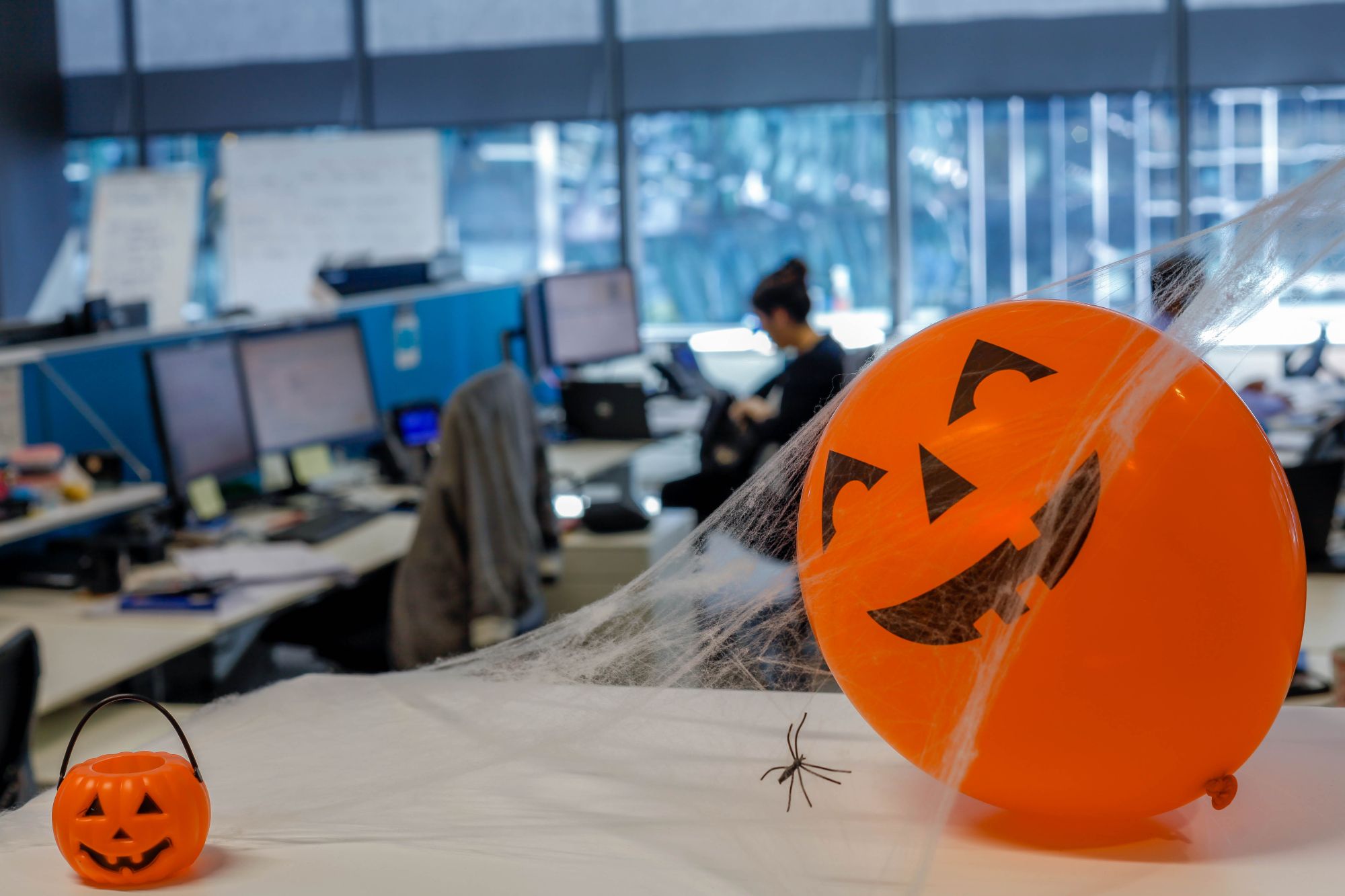
Seasonal office events are perfect for networking and bringing teams together. Halloween, Christmas, or any festive occasion can be an excuse to decorate, host themed lunches, or run small contests. Even employees who typically work remotely may come in for the fun, breathing life into your office.
5. Leverage Technology to Bridge Gaps
Chat apps, project management tools, and internal platforms are essential for hybrid work. Combine them with physical spaces to ensure productivity and connection, even when not everyone is onsite.
Bringing Life Back to the Office
Consider a small marketing agency based in Birmingham. Before adopting a hybrid-friendly workspace, team members often worked remotely, and Monday mornings felt especially quiet. After moving to Victoria Square WorkRooms:
- Team members could choose days for focused work in private offices.
- Coworking desks have encouraged cross-team collaboration.
- Meeting rooms were used strategically for workshops, keeping everyone aligned.
The result? Increased teamwork, higher morale, and a stronger sense of community, all while maintaining flexibility for employees who preferred remote work.
Benefits Beyond the Office
Boost employee satisfaction: People enjoy having options for where and how they work.
Increase productivity: Teams come together more efficiently when physical spaces are designed for their needs.
Support retention: Employees are more likely to stay with companies that accommodate hybrid lifestyles.
Attract talent: Modern professionals seek workplaces that balance flexibility with culture and community.
Preparing for the Future
As hybrid work continues to evolve, companies must rethink how they define “presence” in the office. While empty desks shouldn’t be the norm, combining flexible spaces, intentional team strategies, and seasonal engagement initiatives can enable businesses to create environments where employees want to show up, even if only a few days a week.
While Halloween reminds us of ghosts and skeletons, it can also inspire us to breathe life into spaces that might otherwise feel silent.
At Victoria Square WorkRooms, we offer agile workspaces designed to support hybrid teams and make work enjoyable again. This Halloween, embrace flexibility, encourage connection, and watch your team come alive — no tricks required!
Avoid a haunted office and explore our hybrid-ready workspaces at Victoria Square WorkRooms and discover how your team can flourish in a flexible environment.